


Affiliate disclosure: Dog Product Picker is reader-supported. When you buy through links on our site we may earn an affiliate commission, at no extra cost to you. We only recommend products we believe in.
There’s something about that cool, crisp air, the way the leaves pile up in the yard, the pumpkin patches where dogs get a curious sniff-fest (and maybe try to eat a gourd). It feels cozy, kinda nostalgic, and you probably want your dog to enjoy it as much as you do.
But autumn also brings its own set of quirks for pet parents, from shorter daylight hours to weird roadside hazards that weren’t a thing in summer.
And yes, seasonal changes mean different routines for pets too. Your pup might need a jacket now, or extra paw care, or a little help staying calm at a busy Halloween party.
Below are practical, vet-backed, easy-to-follow autumn dog care tips that blend safety with fun — and each tip includes a simple product solution so you can grab what you need fast.
5 Key autumn dog care tips to keep your pup safe and happy
Visibility matters on shorter days
It gets dark earlier, and that makes walks trickier. Dogs can blend into the dusk, especially if they’re dark-coated. According to vets, not being seen by drivers or cyclists is a real seasonal hazard, so get visible gear. Reflective collars and leashes are an easy fix. A low-profile reflective collar is a gentle choice to keep your dog safe in the evenings.
Product tip: for easy shopping, check our roundup of best dog clothes for options that balance visibility with comfort. A dog in a cute outfit will not only be more visible, but will stay warm on cooler nights.
Paw care is more than cute photos in leaves
But think about this: wet leaves hold grit, salt, and chemical runoff from roads, which can irritate paw pads and sneak into cut skin. The colder it gets, the more likely sidewalks will be treated with ice-melting products that are rough on paws. Keep walks a little shorter after heavy road treatment, rinse paws when you get home, and use a moisturizing paw balm to replace lost oils (there, simple).
Product tip: paw balms and protective booties can save a lot of trouble. Look for a gentle paw balm with natural waxes, and if your dog hates booties, try booties with flexible soles and easy straps so they don’t spend the whole walk dragging their feet.
Watch for seasonal toxins: antifreeze, mushrooms, and Halloween candy
According to vets, antifreeze is one of the biggest fall hazards for pets — and it’s brutally toxic even in small amounts. Cars leak, puddles form, kids leave craft supplies out, and mushrooms pop up in damp leaves.
Add Halloween candy to the mix, and you’ve got multiple risks. Dogs are curious and might taste things they shouldn’t.
What to do: store chemicals safely, check under cars before your dog sniffs around, and teach a solid “leave it” cue. If you think your dog ate antifreeze or a toxic mushroom, call your vet or an emergency clinic right away (this isn’t the time to guess).
Product tip: keep an emergency kit with activated charcoal, your vet’s number, and a pet first aid guide. Also, calming apparel helps at parties where candy and costumes are everywhere. These are especially good if your dog gets stressed around strangers or noisy Halloween visitors.
Ticks and fleas don’t clock out just because it’s cooler
Fall can still be full of ticks and fleas, especially in mild regions or after a warm stretch. These pests carry diseases and cause itching that ruins everyone’s fall vibe. Regular tick checks after hikes or leaf-play are a must. Use veterinarian-recommended preventatives year-round if your area has parasite activity, and consider a tick removal tool for your kit or try essential oils for a natural remedy.
Product tip: pair a vet-approved topical or oral preventative with a good flea comb and a routine grooming schedule. That combo’s simple but effective for dog health in the fall.
Temperature and comfort: jackets, layering, and calming strategies
Some dogs shiver as soon as the mercury drops, while others are totally fine thanks to a fluffier coat. It’s kinda surprising — my neighbor’s stout pup refuses a coat, while my lanky mutt will wear one like a fashion statement. You don’t always need a jacket, but sometimes you really do. The rule of thumb is that if your dog seems uncomfortable on short outdoor trips, add a layer.
Lightweight insulated coats protect small or short-haired breeds, while windproof shells work for chillier, blustery days. And for dogs who get anxious during harvest festivals or busy weekends, calming apparel or snug wraps often reduce stress by providing reassuring gentle pressure (might be wrong but it seems to help more dogs than you’d expect).
Product tip: if your pup shivers on walks, try a well-fitting coat from our best dog coats guide. For anxious dogs, the calming options linked above can be a game-changer.
Fall dog activities that are low-risk and high-fun
Fall is great for safe adventures: leaf pile play, mindful hikes, apple orchards that welcome dogs (check rules first), and photo ops with pumpkins. Keep it low stress: avoid crowded events if your dog’s shy, time walks outside of school pickup to reduce kid traffic, and bring water even if the weather is cool because pups still get thirsty.
And yes, leaf piles are fun. Supervised leaf digging is a treat. But watch for hidden hazards like sharp sticks, glass, or mushrooms hiding in the pile. A short game of fetch in a fenced yard is sometimes all you need to wear them out for cuddling by the heater.
Vet-backed reminders and practical habit changes
According to vets, a quick seasonal checklist is worth doing every autumn: update ID tags, confirm microchip info, review parasite prevention, check winter grooming needs (don’t shave double-coated breeds), and refresh first aid supplies. Keep a small bag with a spare leash, a reflective vest, paw wipes, and treats for reward-based training when you need a quick cue to heel or leave it.
Try to make these small changes part of your routine, not a one-off panic. Autumn routines tend to stick better when they feel simple and helpful.
FAQs about dog health in fall and autumn dog care tips
Do dogs need jackets in the fall?
Short answer: It depends. Small breeds, short-haired dogs, and seniors often appreciate a jacket. If your dog shivers or seems reluctant to go outside, a coat can really help. But some double-coated breeds actually do better without one because their coat traps warmth.
Are pumpkins safe for dogs?
Plain cooked pumpkin is generally safe and can be good for digestion in small amounts. Sugar-coated pumpkin treats or spiced baked goods are not a great idea. If you’re giving pumpkin, keep it plain, avoid the spice, and check with your vet for portion guidance.
What should I do if my dog eats antifreeze?
Call your vet or an emergency clinic immediately. Antifreeze poisoning is time-sensitive and can be fatal. Do not wait to see symptoms. According to vets, speed matters a lot here.
How can I keep my dog’s paws healthy in autumn?
Wash paws after walks, trim excess fur between pads, use a paw balm, and avoid salted roads when possible. Booties help some dogs but aren’t loved by all of them.
These autumn dog care tips are worth bookmarking for every season change. With a little planning, some right-fit gear, and a habit or two, you and your dog can enjoy fall to the fullest. What will you try first this season?
Additional Recommended Reading:


About the author


Halloween costumes for cats that are safe, silly, and surprisingly cute
Most of us are thinking about pumpkin spice and spooky playlists right now, and somewhere between the candy and the cobwebs a weird thought pops up -- should my cat dress up this year? Halloween costumes for cats can be fun without turning your cat into a stressed-out little tiger. Here’s some easy guidance, plus a few ready-to-buy picks and a couple of DIY reminders if you like making things (or pretending you will). Reminder: candy and cake is never a good idea to feed your cat. This Halloween season, if you want to feed your cat something festive, try pumpkin (just not pumpkin seeds). Keep it safe, comfy, and quick to remove Thing is, cats aren't tiny people. Their comfort matters more than how cute the shot will be. Look for costumes that aren’t tight around the neck, have […]

Senior dogs 101: nutrition, exercise, and care tips
A friendly, practical guide to caring for senior dogs: when they’re considered seniors, nutrition and supplement tips, safe exercise, home comforts, grooming advice, and spotting behavioral or health changes early.

Classic dog Halloween costume picks that look timeless (and adorable)
Celebrate Halloween with a timeless dog costume that’s cute and comfy. From pumpkins to lion manes, our picks balance safety, fit, and durability so your pup enjoys every treat and photo-op.

Funny dog costumes that actually won’t annoy your pup
Love Halloween photos but want a happy pup? We picked four hilarious, comfortable dog costumes that prioritize fit and safety—easy to put on, camera-ready, and gentle enough for short walks and porch photos.
Adopt Don’t Shop Puppies: Why Choosing Adoption Matters (And How to Actually Do It)
You know how you can spend ten minutes doomscrolling adorable puppy photos and then suddenly ask yourself, maybe I should get one? That feeling is basically where a lot of people start. But the next question, where to get a puppy, matters more than you might think. This article is about why the phrase adopt don't shop puppies has traction, what it actually means in real life, and practical things to do if you're thinking about bringing a rescue pup into your home. And no, I'm not here to guilt anyone. The tone is more like: here's what you might not know, some stuff I learned the hard way, and a few simple steps to make adoption feel doable and joyful. What adopt don't shop puppies really means At its core, adopt don't shop puppies is about choosing adoption from […]
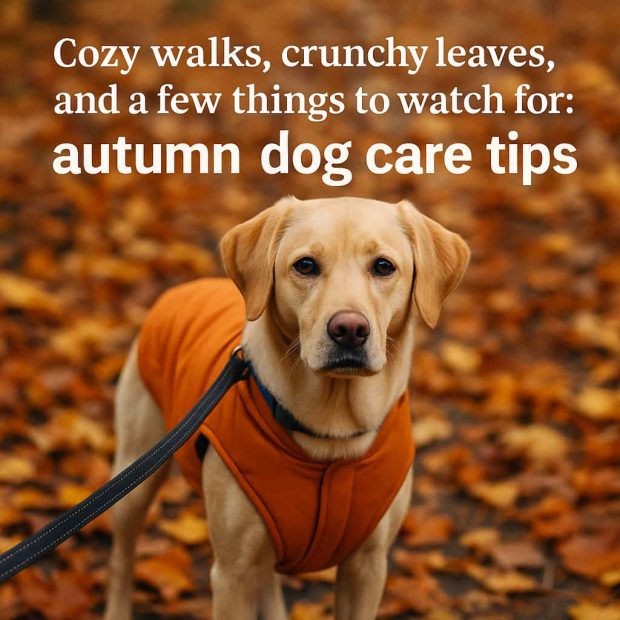
Cozy walks, crunchy leaves, and a few things to watch for: autumn dog care tips
Enjoy cozy autumn outings with your dog—without the hazards. Vet-backed tips on visibility, paw care, parasites, toxins, and comforting layers, plus quick gear picks to keep walks safe and stress-free all season.
Related

Emotional Support Dog vs Service Dog Explained
Emotional support dogs and service dogs are not the same. This guide breaks down the real-world differences that matter in housing, travel, and everyday life.

Best DIY Guides for Building a Dog House
Ready to build a cozy dog house this year? Here are six DIY guides you can trust, from recycled pallet builds to insulated plans for colder climates.

What is a Dapple Dachshund?
Discover what sets the dapple dachshund apart, including coat patterns, temperament, and key health considerations for responsible ownership.

Most Presidents Had Dogs. Here’s Who Didn’t — and Why It Matters
Most U.S. presidents kept a loyal dog at their side. This guide explores famous presidential pets, standout breeds, and the surprising presidents who skipped having a White House pup entirely.

Funny Dog Breeds: Goofy, Dorky, and Downright Lovable
Looking for a pup that makes you laugh? Our guide to funny dog breeds highlights pugs, corgis, dachshunds, and more — plus care tips and gear suggestions to match each breed’s playful personality.

Is Trump the Only President to not Have a Dog?
Curious why Donald Trump never had a dog in the White House? This quick, factual guide explains the history, context, and how his choice compares to long-standing presidential pet traditions.


