

Affiliate disclosure: Dog Product Picker is reader-supported. When you buy through links on our site we may earn an affiliate commission, at no extra cost to you. We only recommend products we believe in.
People love to share food with their dogs. I mean, who hasn’t slipped a scrap under the table to a begging pup?
But when it comes to garlic, that kind of generosity can get messy pretty fast. The question “Can dogs eat garlic?” is one pet owners ask all the time, and the short, clear answer is: no, you shouldn’t feed garlic to dogs.
Why Garlic Can Be Risky for Dogs (What’s Actually in It)
Garlic contains compounds like allicin and thiosulfate that are responsible for its strong smell and potential health effects in animals.
Those compounds can damage red blood cells in dogs, causing a condition called hemolytic anemia.
The thing is, different dogs respond differently, some might show symptoms after a small amount, others might tolerate more before anything appears.
That variability makes garlic a food I wouldn’t risk offering to my own dog. Instead, try a pumpkin dog treat, which dogs love and pet parents approve of. And, yes, dogs can eat pumpkin!

How Toxic Garlic Really Is: Clarifying Doses and Real-World Risk
Veterinary sources, including the ASPCA Animal Poison Control Center, list garlic among foods that can cause toxicity in dogs. The American Kennel Club also covers garlic toxicity and notes that effects depend on dose, form of garlic, and the dog’s size.
Ground or concentrated garlic (like powder or extract) tends to be more potent than a fresh clove, and repeated small exposures over days can be just as dangerous as one large exposure.
There isn’t a single magic number that’s safe for every dog. Research suggests that doses around 15-30 grams of raw garlic per kilogram of body weight might cause toxicity, but that’s not a practical threshold for everyday owners to measure.
In other words, don’t treat “a little” garlic as harmless (even though many home cooks assume it’s fine).
Does your dog like turkey? Instead of feeding your dog holiday food that could contain garlic, many pet parents opt for Thanksgiving-themed dog treats. Would your dog go crazy for these treats?

Signs to Watch For If Your Dog Ate Garlic
Symptoms of garlic toxicity usually show up within a few days, but sometimes sooner.
Watch for lethargy, pale gums, rapid breathing, weakness, vomiting, diarrhea, and dark-colored urine.
If you notice these signs after a known or suspected garlic exposure, call your veterinarian or the ASPCA Animal Poison Control Center right away. The ASPCA line is a good resource for immediate guidance, and they can recommend whether you need to go in for an exam.
What Veterinarians Do When a Dog Ingests Garlic
Depending on how much your dog ate and how long it’s been, your vet might induce vomiting, give activated charcoal to limit absorption, or run blood tests to check red blood cell levels.
In more serious cases, dogs might need intravenous fluids or a blood transfusion. It sounds scary, because it can be, but early action often improves outcomes (and that’s why I keep my vet’s number handy).
Early action makes a big difference, just like with other food-related emergencies such as unsafe bones like chicken bones for dogs.
Common Garlic Sources People Often Overlook
But it’s not just raw garlic cloves you need to worry about. Garlic powder, garlic salt, marinades, sauces, and supplements can all contain concentrated garlic.
Some pet owners use garlic extracts in home remedies or flea treatments, thinking it’s natural and safe. That’s a risky assumption.
Natural doesn’t automatically mean safe, and you shouldn’t give garlic-containing supplements to dogs unless a veterinarian explicitly advises it (which they usually don’t).
Is Garlic Ever Beneficial for Dogs?
There are claims online that garlic is good for dogs that it repels fleas, boosts immunity, or helps with heart issues. Some people swear by tiny amounts. I think those claims are often overstated and not backed by solid veterinary research.
You could say garlic is both promoted as helpful and proven to be potentially harmful, which is sort of contradictory, but that’s the reality of popular pet advice versus clinical evidence. If immune support is what you’re actually after, best probiotics for dogs offers options that are genuinely backed by evidence.
What to Do Immediately if Your Dog Ate Garlic
If your dog ate garlic recently, call your veterinarian or the ASPCA Animal Poison Control Center for immediate advice.
Have details ready like how much garlic, what form it was in, your dog’s weight, and when the exposure happened.
If you’re in the U.S., you can also check reputable pages like the American Kennel Club’s article on garlic toxicity for basic facts, or PetMD and VCA Hospitals for more veterinary-oriented information. But don’t rely only on web research for urgent situations, phone a professional.
How to Prevent Accidental Garlic Exposure
Keep garlic-containing foods out of reach, especially foods left on counters or tables. Teach family members and guests not to feed table scraps, and read labels on supplements and commercial products. If you want safer human foods to share, check out our guide “Can Dogs Eat Mashed Potatoes?” it covers what’s usually okay for dogs and how to prepare certain foods safely.
And if you need a broader reference on things to avoid, our “Thanksgiving Food Safety for Dogs” guide pulls together common holiday foods and ingredients that can be risky for pets.
When to Call an Emergency Vet Clinic
Call your vet or an emergency clinic immediately if you see signs of anemia or distress, if a large amount was ingested, or if the garlic exposure was through a concentrated supplement.
The American Kennel Club and PetMD both recommend contacting a professional rather than waiting to see what happens. Emergency intervention can prevent worse outcomes, so it’s better to be cautious.
Practical Guidance on Safe Feeding
Don’t add garlic to your dog’s food. Don’t give garlic supplements. If you want to support your dog’s health, focus on balanced nutrition, proven supplements like certain omega-3s when recommended by your vet, and regular checkups.
Medical disclaimer: This article is informational and not a substitute for professional veterinary advice. If your dog has eaten garlic or is showing symptoms, contact your veterinarian or a poison control center immediately.
Follow us on socials for more vet-reviewed tips, real-life advice, and product picks to keep your dog safe, healthy, and happy.
At the end of the day, garlic is something you shouldn’t be sharing with your dog. People might tell you otherwise, you might read conflicting advice, and even vets sometimes disagree on nuances.
But if you want a clear rule of thumb, don’t feed garlic, keep it away, and get help quickly if you suspect exposure.
Additional Recommended Reading:


About the author


Funny Dog Breeds: Goofy, Dorky, and Downright Lovable
Looking for a pup that makes you laugh? Our guide to funny dog breeds highlights pugs, corgis, dachshunds, and more — plus care tips and gear suggestions to match each breed’s playful personality.

Can Dogs Eat Garlic?
Garlic smells tempting, but it can harm dogs. This guide explains why garlic is risky, the signs to watch for, and exactly when to contact your vet or poison control for help.

Can Dogs Safely Eat Chicken Bones? What Every Owner Should Know
Chicken bones might seem harmless, but they can splinter and cause serious internal injuries. Learn what to do if your dog grabbed one, safer alternatives to offer, and how to keep mealtime safe. Keep your pup protected with this quick guide.

Can Dogs Eat Mashed Potatoes?
Wondering if your dog can share Thanksgiving mashed potatoes? Plain spuds in tiny amounts are usually okay, but butter, gravy, garlic, and salt pose risks. Learn safe portions, red flags, and vet steps.

Can Dogs Eat Cranberries?
Curious if your dog can nibble on cranberries? Learn which cranberry forms are safe, how much to offer by size, and when cranberry snacks could cause trouble—practical tips for mindful pet owners.
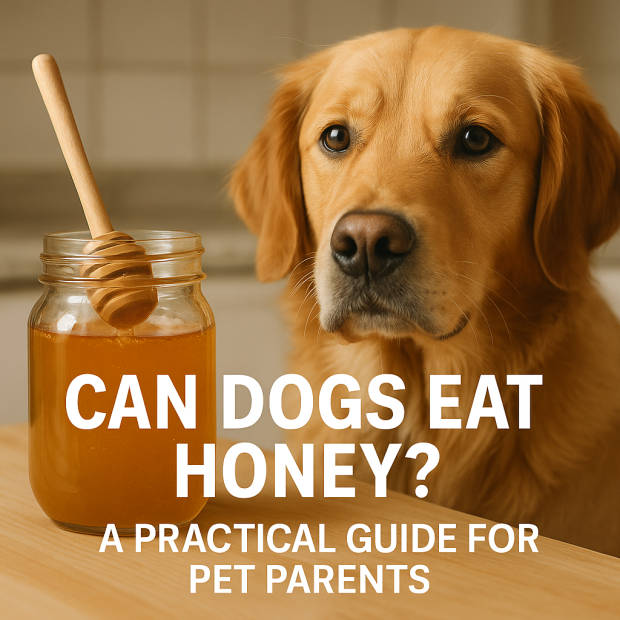
Can dogs eat honey? A practical guide for pet parents
Wondering if honey is safe for your pup? This practical guide explains benefits, risks, and safe serving sizes, plus when to avoid honey entirely—especially for puppies and dogs with health issues.
Related

Emotional Support Dog vs Service Dog Explained
Emotional support dogs and service dogs are not the same. This guide breaks down the real-world differences that matter in housing, travel, and everyday life.

Best DIY Guides for Building a Dog House
Ready to build a cozy dog house this year? Here are six DIY guides you can trust, from recycled pallet builds to insulated plans for colder climates.

What is a Dapple Dachshund?
Discover what sets the dapple dachshund apart, including coat patterns, temperament, and key health considerations for responsible ownership.

Most Presidents Had Dogs. Here’s Who Didn’t — and Why It Matters
Most U.S. presidents kept a loyal dog at their side. This guide explores famous presidential pets, standout breeds, and the surprising presidents who skipped having a White House pup entirely.
Funny Dog Breeds: Goofy, Dorky, and Downright Lovable
Looking for a pup that makes you laugh? Our guide to funny dog breeds highlights pugs, corgis, dachshunds, and more — plus care tips and gear suggestions to match each breed’s playful personality.

Is Trump the Only President to not Have a Dog?
Curious why Donald Trump never had a dog in the White House? This quick, factual guide explains the history, context, and how his choice compares to long-standing presidential pet traditions.


