

Affiliate disclosure: Dog Product Picker is reader-supported. When you buy through links on our site we may earn an affiliate commission, at no extra cost to you. We only recommend products we believe in.
 As pet parents, we immediately think of harmful skin conditions the minute we see dark spots on our dogs. If your canine buddy has dark patches throughout the skin, it could be a sign of hyperpigmentation, a condition that causes dark spots on the body. In this article, we share all you need to know about black specks on a dog’s skin, including its causes and symptoms, diagnosis and treatments, and how to help your pup recover.
What is Hyperpigmentation?
In canines, hyperpigmentation refers to the increase of dark pigments in the skin. Òwners that notice dark skin patches on their dog’s body, or there are parts of their skin that feel or look different from the rest of its body, it could be a sign that their dog has hyperpigmentation. This is their body’s reaction to some kind of condition, rather than a specific disease or diagnosis; many conditions can lead to hyperpigmentation on your dog’s belly or somewhere else on the body.
Symptoms of Hyperpigmentation
If you’ve noticed changes in your dog’s skin color or texture, you’re probably confused about it but you’re not the only one; many other owners have experienced this problem. This change can look like light brown or blackened areas. While black spots can sometimes be the only symptoms of a certain skin condition, they can also appear around skin that feels velvety or rough to the touch.
These changes could be the result of their skin thickening and are considered to be a secondary change in a dog’s skin. A range of factors can result in changes to the skin; when darker pigments accumulate on their skin, it becomes noticeably darker compared to the rest of their skin. Other kinds of skin symptoms can include:
- Hair loss
- Redness
- Itching
- Crusting
- Scaling
- Excessive sweating
- Wet or dry skin
- Dandruff formation
Types of Hyperpigmentation
There are two different kinds of hyperpigmentation in dogs, known as primary and secondary, which we discuss below.
Primary Hyperpigmentation
It refers to primary diseases that can cause hyperpigmentation; it can occur in all dog breeds but is more prevalent in Dachshunds. This type of hyperpigmentation will usually become evident in dogs by the time they turn 1 year old.
Secondary Hyperpigmentation
Known as secondary hyperpigmentation, this common symptom occurs in any kind of dog breed. It is caused by inflammation or friction, which leads to additional skin changes including pain, thickened skin, odor, or hair loss. This type of pigmentation is more commonly found in breeds that are prone to skin infections, contact dermatitis, and allergies, such as:
- Dobermans
- Golden Retrievers
- German Shepherds
- Great Danes
- Yorkshire Terriers
- Irish Setters
- Dalmatians
- Border Collies
It can also be found in breeds that suffer from obesity and hormonal imbalances which include the following:
- Lhassa Apsos
- Jack Russell Terriers
- Pugs
- Basset Hounds
- Labrador Retrievers
Why Does My Dog’s Skin Turn Black?
If your dog’s skin is becoming more and more of a concern to you as hyperpigmentation develops further, you might ask your vet or wonder, “What causes my dog’s skin to get darker?” There is a wide range of causes of hyperpigmentation in dogs which may vary and could point to a more serious medical issue that your pup is experiencing, which includes the following.
- Hypothyroidism: In some dogs that have been diagnosed with hypothyroidism, hyperpigmentation is present.
- Allergies: This can lead to hyperpigmented spots over the skin.
- Cushing’s Disease: Is a disorder of the endocrine system and is common in older, middle-aged dogs which can result in hyperpigmentation.
- Malassezia: One of the most common symptoms of this kind of yeast infection is hyperpigmentation.
- Systemic Lupus Erythematosus: Dogs may have this chronic, but rare immune-related disease can have hyperpigmentation.
- Demodicosis: This is a lesser-known cause behind hyperpigmentation and is a condition that results from a parasitic mite.
Diagnosing Hyperpigmentation in Dogs
Visiting your veterinarian can help to examine your dog for symptoms of hyperpigmentation, gently scraping the skin for samples that can help to identify any underlying causes such as parasites or infections. They will likely perform a full physical exam along with a review of your pup’s medical history. If your vet suspects that allergies are the cause, they may conduct food trials to try and pinpoint your pet’s symptoms.
Moreover, your vet might also perform diagnostic testing to try and correctly identify the underlying cause of your dog’s symptoms.
Treating Hyperpigmentation in Dogs
While there’s currently no cure for dogs with primary hyperpigmentation, its symptoms can be managed through special shampoos and steroid ointments when detected early. Other medications can be used when symptoms intensify or worsen, while your vet can also treat infections and other health issues related to your pup’s skin. If your vet diagnoses your dog with secondary hyperpigmentation, its skin should go back to normal after the underlying cause is treated.
Apart from hyperpigmentation, yeast and bacterial infections need to be addressed antibiotic or antifungal medications should be prescribed to treat these on your pup’s skin. Your vet may also suggest using medicated shampoos 2-3 times every week but this could be a slow progress. While a relapse of hyperpigmentation isn’t very likely, it can occur when the underlying cause isn’t treated properly.
Recovering from Hyperpigmentation
The process of healing and recovery can be slow; it can take weeks or even months before your pup’s skin goes back to normal. Should there be any follow-up appointments, your vet will let you know — the majority of these appointments will be focused on treating the underlying cause of hyperpigmentation.
Note: All the details in this post should only be used for informational purposes and shouldn’t be taken as medical advice for pet health. To get an accurate diagnosis and to fully understand your dog’s condition, it’s best to call your vet and make an appointment.
Conclusion
When your pooch has skin problems and you suspect that the black specks on your dog’s skin have something to do with it, it’s best to speak to your vet about it. Apart from identifying the causes of your pup’s skin irritation, your veterinarian should be able to provide you with the right treatment options. Just remember that if your dog starts to experience symptoms such as hair loss, itching, redness, scaling, or crusting, it’s time to give them the help they need.
Sources
Additional Recommended Reading:


About the author


The Best Service Dog Breeds
Throughout history, dogs have worked alongside humans, with evidence of domestication dating back nearly 30,000 years. Over time, that partnership has evolved into countless roles, from hunting and herding to companionship and protection. Today, many breeds are trained for specialized service work, using their loyalty, intelligence, and focus to support people who need extra assistance. In this article, we break down the most popular service dog breeds in the United States, what makes each one effective, and the unique ways they can help their handlers live safer, more independent lives. What are Service Dogs? At its most basic definition, service dogs are canines trained to perform tasks that can assist their owner or handler with a disability. They can help to remind people with mental illness to take their medication, alert deaf people, and protect those suffering from seizures. Moreover, […]

Can Dogs Have Allergies?
Unfortunately, allergies in canines are more common than we think. Understanding the signs and symptoms will help ensure that your canine companion enjoys a comfortable and allergy-free life. In this article, we share an in-depth guide that addresses the question, “Can dogs have allergies,” while covering other topics such as diagnosing and treatment options for allergies. What are Allergies? Allergies occur when a dog’s immune system negatively reacts to substances that are normally harmless. Also known as allergens, these substances can often result in an allergic response when ingested, inhaled, or make contact with your dog’s skin. When this happens, the canine body will mistake these environmental items as a threat, which can result in many different physical symptoms. These reactions can significantly vary in severity, which will range from mild discomfort to a severe reaction, and in serious cases […]

The Best Hypoallergenic Dog Breeds
What you might not know is that pet allergies are common; in fact, around 10% to 20% of people around the world are allergic to cats and dogs. The good thing is that even people with allergies can own a furry friend — while there’s no such thing as an entirely allergy-friendly breed, some dogs can be easier on allergy symptoms. In this article, we share all you need to know about the best hypoallergenic dog breeds. What are Hypoallergenic Dogs? There are many misconceptions about what this means, so we need to clear things up; there’s no such thing as a completely hypoallergenic dog. However, there are a few breeds that create fewer allergens compared to others, which makes them better suited for allergy sufferers. These canines will generally come with low-shedding coats, which produce less dander and will […]

Schnauzer Poodle Mix 101
If you’re looking to add a new member to the family, but aren’t in the market for a purebred dog then consider poodle crosses such as the Schnauzer Poodle mix. The teddy bear Schnoodle is beloved for their high levels of intelligence, calm demeanor, and hypoallergenic coats. These designer dogs are some of the fluffiest breeds out there; here, we share all you need to know about them including their appearance, temperament, history, and how you can care for them. What is the Schnauzer Poodle Mix? The Schnauzer-Poodle mix is a loving, smart, and level-headed companion. While there are no dogs that can truly be called hypoallergenic, both Poodles and Schnauzers can be a good fit for those with allergies, which means their offspring will be too. This gorgeous mix of Schnauzers and Poodles produces a curly-haired hybrid that comes […]
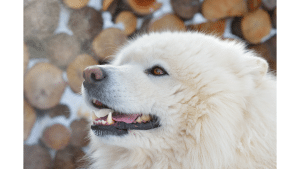
Husky Samoyed Mix 101
Maybe you’ve heard of the Siberian Samoyed, a gorgeous, mixed breed canine that’s known for its boisterous personality and striking appearance. This designer dog is a large ball of fluff that can bring happiness and energy into your home but before you get one, there are a few things you need to consider first. In this article, we share all you need to know about the Husky Samoyed mix, including their appearance, temperament, history, and how to care for them in your home. What is the Husky Samoyed Mix? The Husky Samoyed mix is also known as the Samhusky, Siberian Samoyed, and Samusky and is a beautiful mix of the Siberian Husky and the Samoyed. Because both have bright eyes and fluffy coats, you can expect their offspring to be just as impressive-looking as their parents. These dogs are becoming […]

Papillon Dog Breed 101
Papillon dogs are known for their petite, yet sturdy bodies that come with an active, alert, and friendly nature — they are among the smartest breeds in the world and can make wonderful companions. Dog owners looking for a gorgeous toy dog will be more than pleased to add one of these playful pups to their family. In this article, we share all you need to know about how to care for these dogs in your home while discussing their temperament, history, and where you can find one. What is the Papillon Dog? Papillons are playful, spirited, and small dogs that come from Spaniels and toy breeds. These cute dogs come with high energy levels and will excel in obedience and agility competitions. They have sparkling personalities that endear them to anyone who owns them and despite their appearance, they […]
Related

Emotional Support Dog vs Service Dog Explained
Emotional support dogs and service dogs are not the same. This guide breaks down the real-world differences that matter in housing, travel, and everyday life.

Best DIY Guides for Building a Dog House
Ready to build a cozy dog house this year? Here are six DIY guides you can trust, from recycled pallet builds to insulated plans for colder climates.

What is a Dapple Dachshund?
Discover what sets the dapple dachshund apart, including coat patterns, temperament, and key health considerations for responsible ownership.

Most Presidents Had Dogs. Here’s Who Didn’t — and Why It Matters
Most U.S. presidents kept a loyal dog at their side. This guide explores famous presidential pets, standout breeds, and the surprising presidents who skipped having a White House pup entirely.

Funny Dog Breeds: Goofy, Dorky, and Downright Lovable
Looking for a pup that makes you laugh? Our guide to funny dog breeds highlights pugs, corgis, dachshunds, and more — plus care tips and gear suggestions to match each breed’s playful personality.

Is Trump the Only President to not Have a Dog?
Curious why Donald Trump never had a dog in the White House? This quick, factual guide explains the history, context, and how his choice compares to long-standing presidential pet traditions.


